 'confirm the worst nightmares of conservative parents everywhere'
ROOKE: Maine Follows Blueprint To Legalize New Form Of Child Trafficking
Click the title to read the full report at Mary Rooke
January 23, 2024 at 04:04PM - Rooke

|
'confirm the worst nightmares of conservative parents everywhere' ROOKE: Maine Follows Blueprint To Legalize New Form Of Child Trafficking Click the title to read the full report at Mary Rooke January 23, 2024 at 04:04PM - Rooke
0 Comments
'lives destroyed, people rotting in prison'Trump’s Greatest Chance Against Biden’s DOJ Stems From An Unlikely Place Click the title to read the full report at Mary Rooke January 22, 2024 at 09:49PM - Rooke
'family separation and biological confirmation saves lives'ROOKE: When Will The Media’s Favorite Conspiracy Theories Stop Falling Apart? Click the title to read the full report at Mary Rooke January 18, 2024 at 09:17PM - Rooke
'republican voters have moved the party far away from the likes of Haley'ROOKE: Nikki Haley Is The Left’s Favorite Republican Click the title to read the full report at Mary Rooke January 16, 2024 at 09:05PM - Rooke 'Biden has repeatedly refused to enforce federal immigration laws'You Won’t Hear This On CNN: Biden Quietly Admits Texas’ Plan For Immigration Works Click the title to read the full report at Mary Rooke January 12, 2024 at 09:28PM - Rooke ROOKE: If Its Really A Right Wing Conspiracy Theory Why Do Democrats Keep Proving Its Real?1/11/2024 'the fear isn't if illegal immigrants are going to vote, but how many'ROOKE: If It’s Really A ‘Right Wing Conspiracy Theory,’ Why Do Democrats Keep Proving It’s Real? Click the title to read the full report at Mary Rooke January 11, 2024 at 07:30PM - Rooke 'Ideological forces that would see them turned into nothing more than a sidekick'ROOKE: We May Be Reaching The ‘Hard Times Create Strong Men’ Phase Click the title to read the full report at Mary Rooke January 09, 2024 at 09:17PM - Rooke |
   

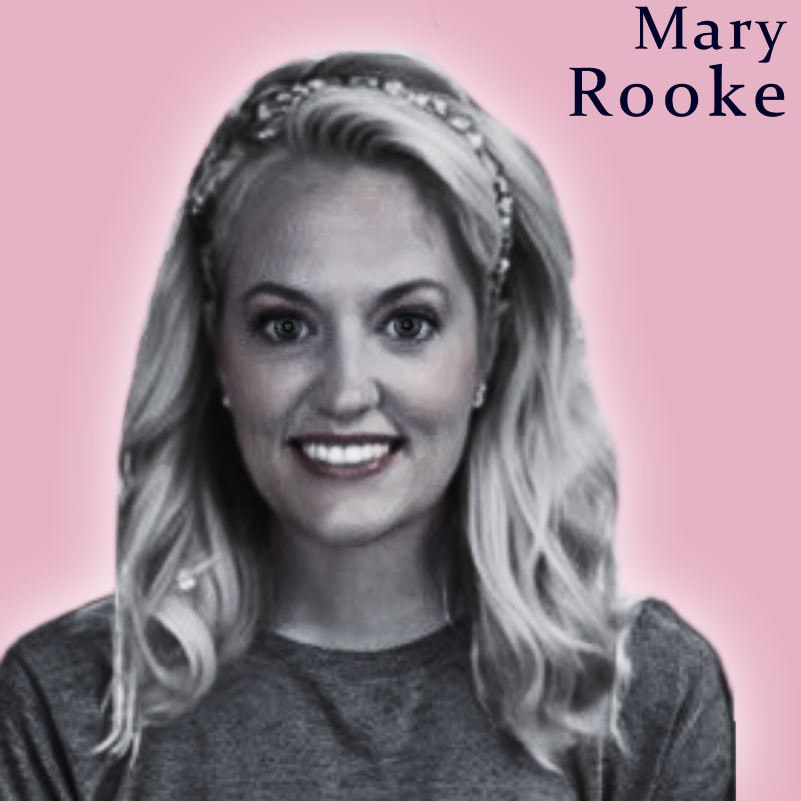
Rooke Report Mrs. Rooke is an established columnist for multiple conservative periodicals.  Join Mary Rooke, a millennial wife, and mother of four, as she fearlessly tackles America's societal twists and turns. From embracing early marriage to defying mainstream feminism, Mary shares her journey of nurturing a family that cherishes both masculinity and femininity. Tune in for a no-holds-barred conversation on our nation's missteps and the roadmap to restoring harmony between the sexes. 
Archives
January 2024
"I am a Catholic stay-at-home mom of 4 girls. My husband & I met in college. My husband is English, and thus had a steep learning curve to fit into my VERY Texan family! I’ve taught him a love of our 2nd amendment, biscuits and gravy, and America. Being a cradle conservative is nothing new in Texas, but I am proud to say that I made it through college still being a conservative.
I love all sports. I have my BS in Interdisciplinary Studies focusing on K-8th, this is a fancy way of saying that I am a licensed teacher. I also coach volleyball and basketball for 5th -8th grade. A favorite past time of mine will always be spending time on the gun range. Growing up I was an expert marksman with small-bore rifles. It would make a lot of liberals cry to see my trophy wall. Two points I will never waver on: 1. Abortion is murder and should be illegal. I believe that when we look back on our history the period where abortion was legal will be looked at with a mournful and somber tone. 2. The United States of America works because it is for the people by the people. An integral part of the people keeping control is by exercising our right to own firearms. My goals include; to deliver my opinion and take on current news. As a promise, I will always be as accurate as I can. Last Point: Epstein didn’t kill himself." Categories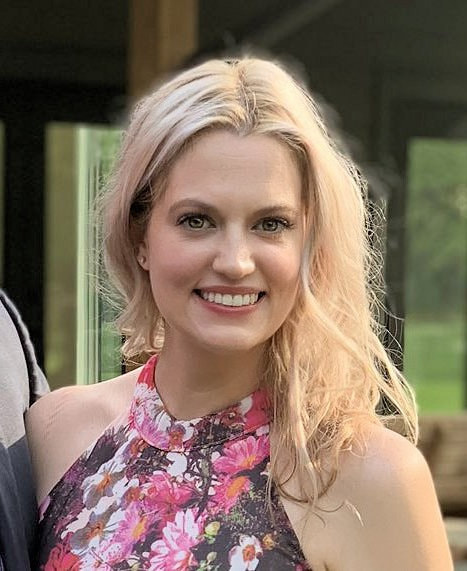
|
918 . 928 . 7776 |

 RSS Feed